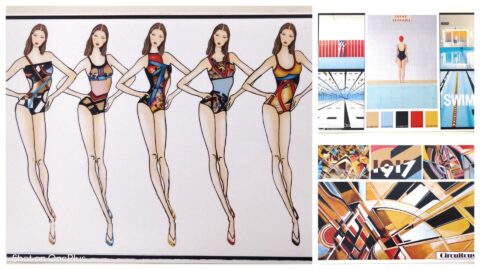
In fashion, colors are closely linked to psychology. Warm colors such as red, orange, and yellow suggest energy, passion, and confidence, while cool colors like blue, green, and purple evoke calmness, trust, and sophistication. Neutral tones—black, white, beige, and grey—symbolize elegance, balance, and versatility, making them timeless staples in wardrobes across cultures. The strategic use of color helps shape the wearer’s personality and enhances the overall visual impact of a design. Through color, designers convey themes, tell stories, and evoke emotional responses without words.
Colors in fashion are also deeply influenced by culture, tradition, and social context. For example, white represents purity in Western bridal wear, while in many Asian cultures it is associated with mourning. Seasonal trends further guide color choices, with brighter hues dominating spring–summer collections and deeper, muted shades appearing in autumn–winter lines. Fashion forecasting agencies play a key role in predicting popular colors, influencing global trends each year.
Moreover, color has a functional role in fashion marketing and branding. Signature colors help establish brand identity and create strong visual recall. Ultimately, the thoughtful application of color elevates fashion from mere clothing to a meaningful form of expression, making it an essential element in design and style.